V-ON THE GO
a travel blog about Indonesia’s culture, food, local people, excursion experiences, school environment, use of English and a lot of other exciting things you will soon find out
UNIVERSITAS ISLAM DARUL ULUM (UNISDA)
Asking for and Giving Directions and Simple Tenses and Perfect Tenses
I went to the class early and set up my projector as visual aide for my new lesson with the banking class. It’s all about asking for and giving directions.
After my review of the previous topic, Recount Text, I asked them how to get to several places around here in Lamongan City. As the students knew that I am originally not from this local neighborhood, they tried their best to tell me what they knew on how to get to those places I mentioned. I can see their very helpful eyes and accommodating attitude.
This serves as my motivation to the new lesson I will talk about today. I asked them what information did I need them to give me and what did they give me in return. There was silence for a while until I pointed the specific and clear instructions they told me about how to get to a destination. They finally answered directions and I started defining directions from that point on connecting it to the motivation I did initially.
I was still using the localization and contextualization principles here for the students to find the lesson relevant.
They did a role-play acting tourists and tour guides showing how to ask for and give directions. Considering their courses which is vocational by nature, I decided to do this performance task as their activity to further employ correct manner of both asking and giving directions.
One group did well in being very detailed and clear with their directions. Other’s have opportunities in distributing their lines and scripts so everyone was able to speak and practice. Overall they showed great interest in the topic and tried their best in showing understanding of the lesson.
The assessment wasn’t completed as the time wasn’t enough.
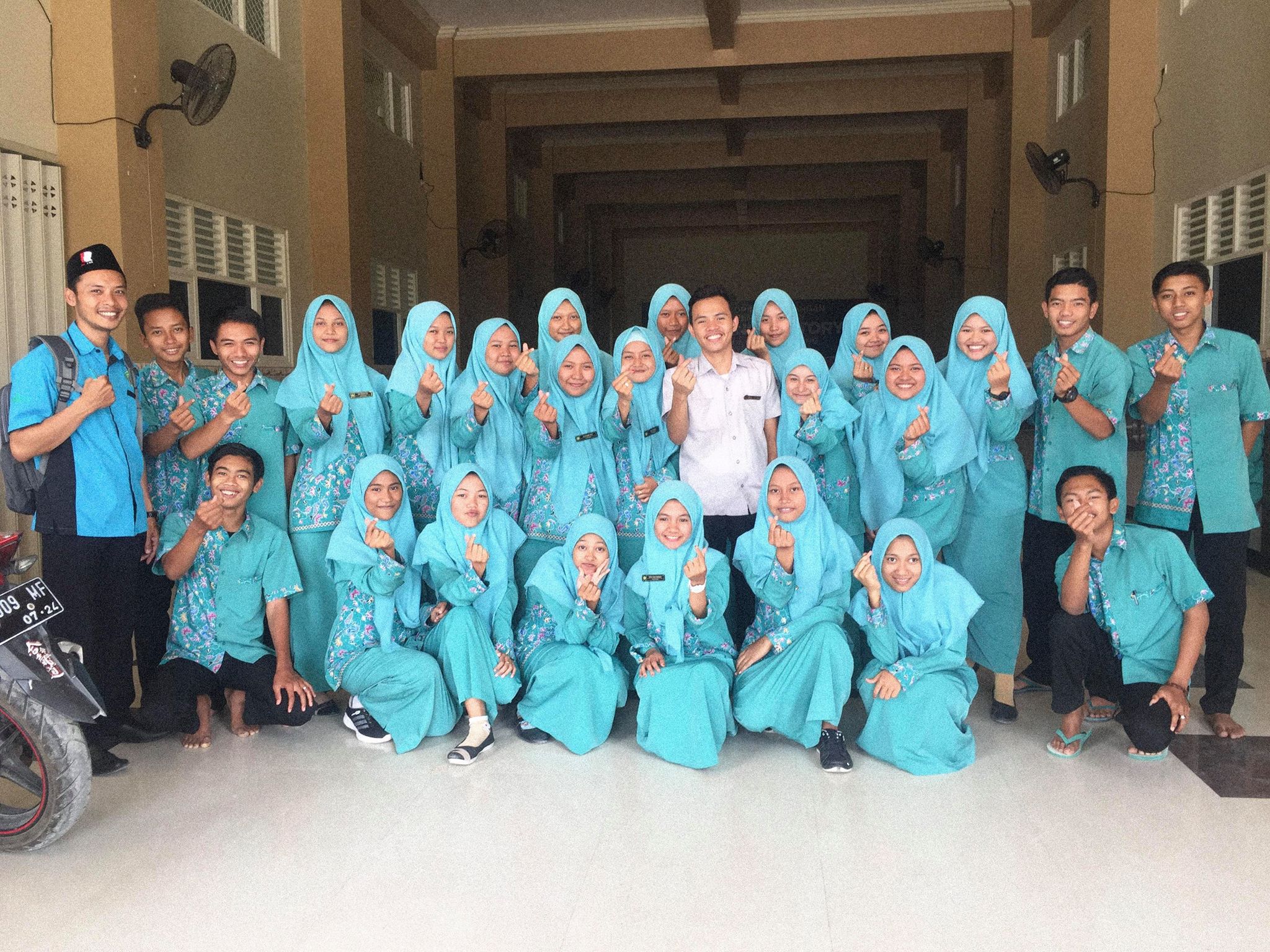
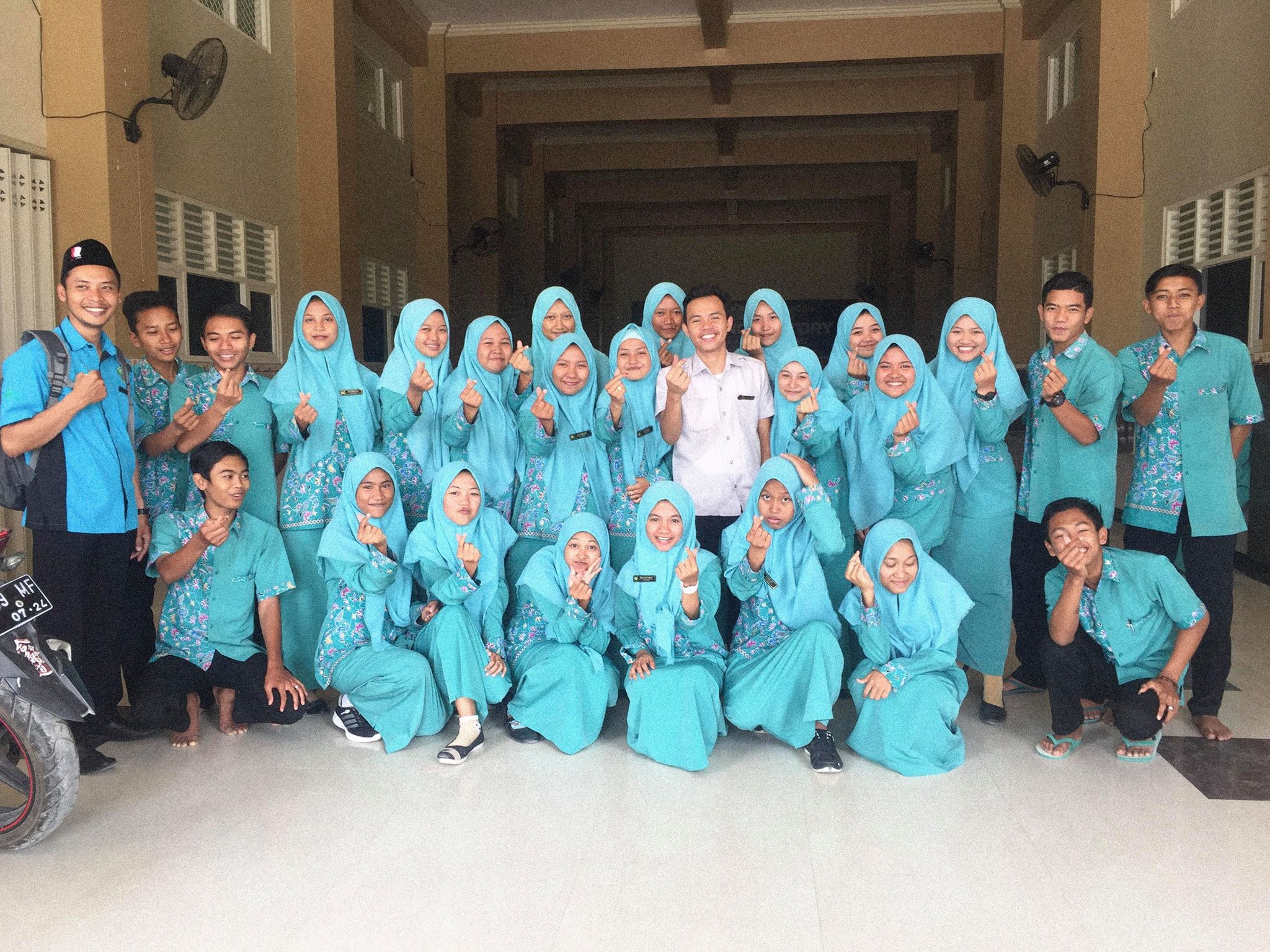
We have moved on the next class who are accountancy students.
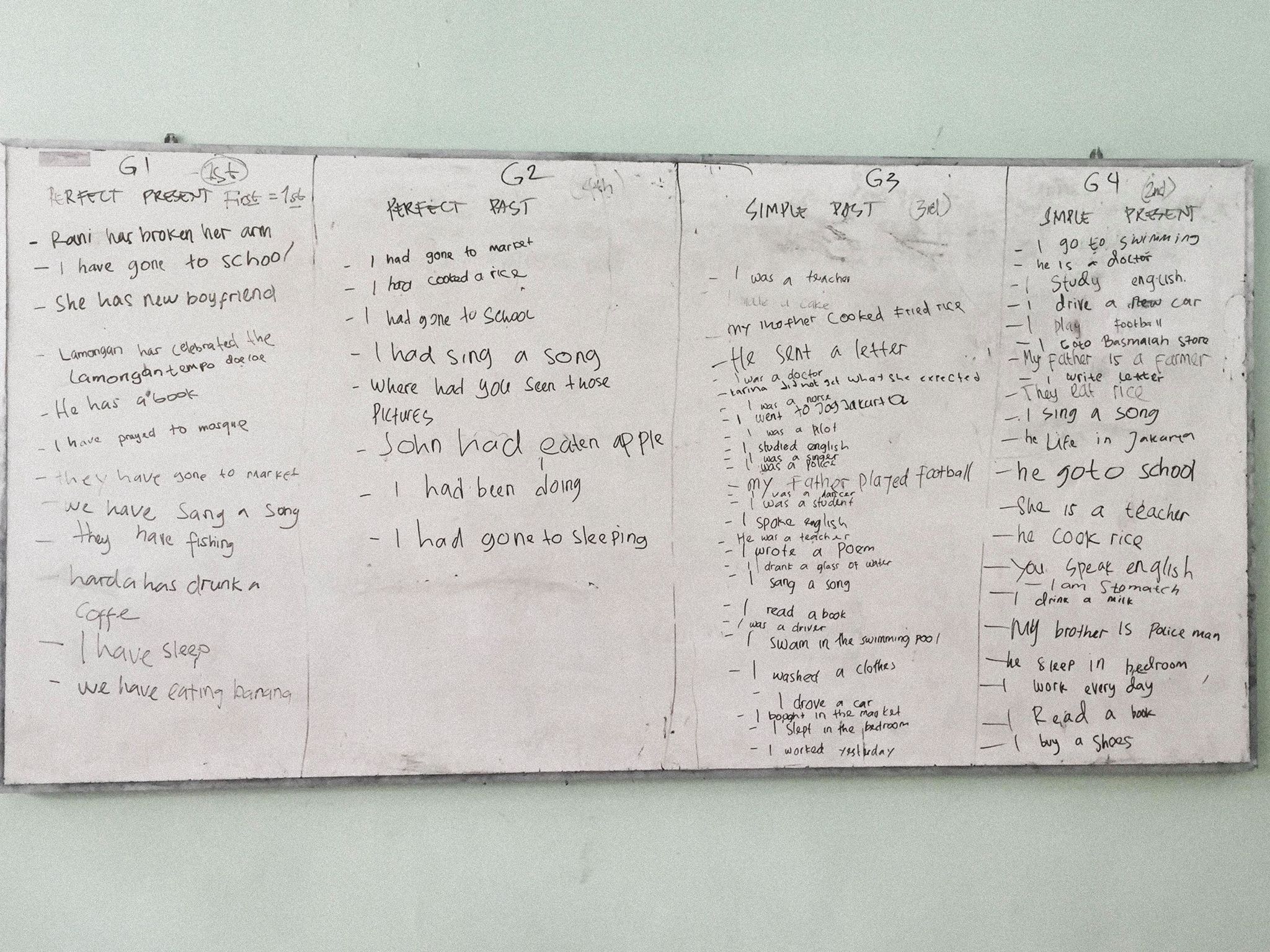
We continued what we have previously talked about last time, Simple Tenses and Perfect Tenses. I only dwelt in the review for a few minutes and proceeded with the assessment in a game-like activity.
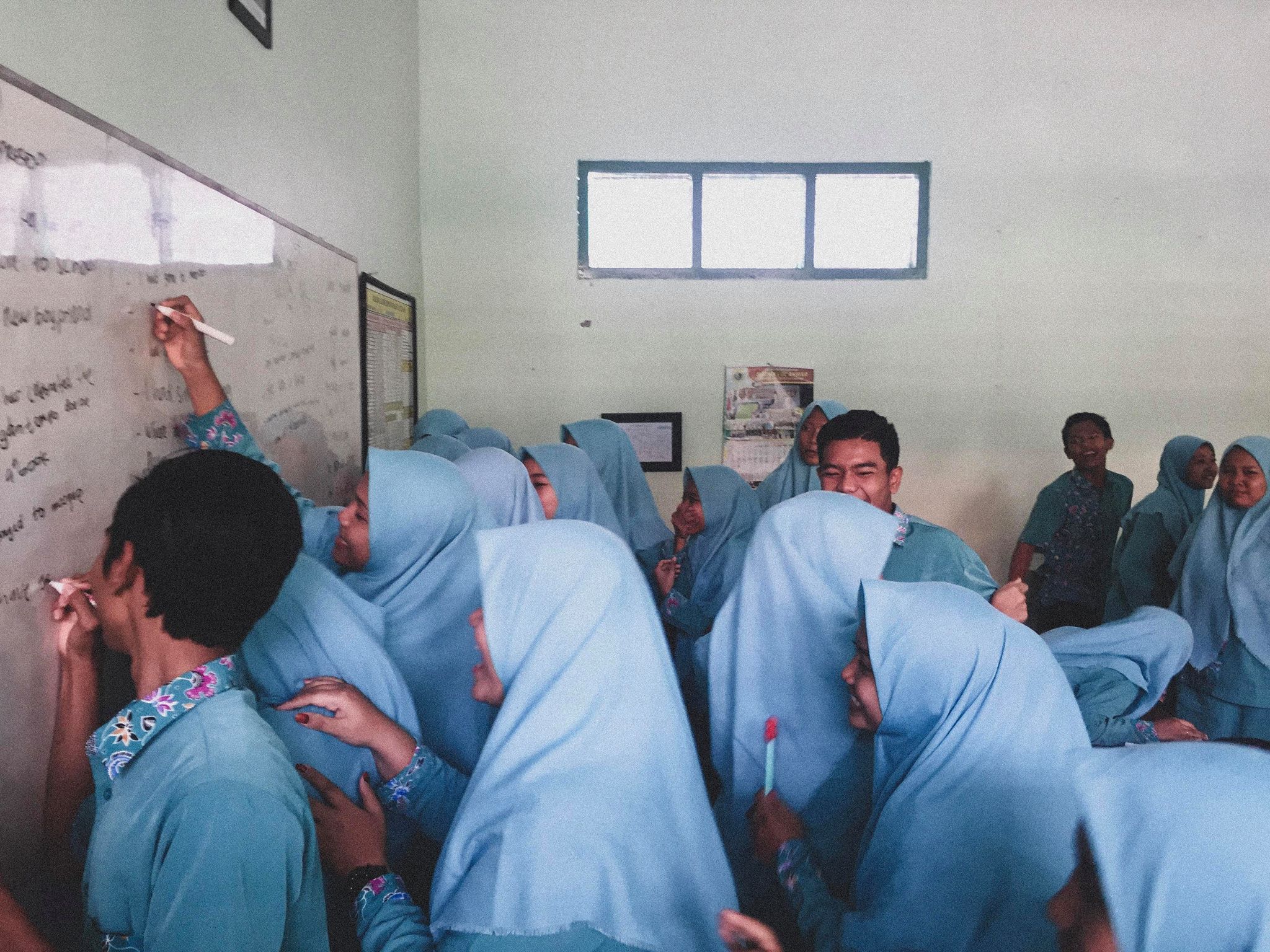
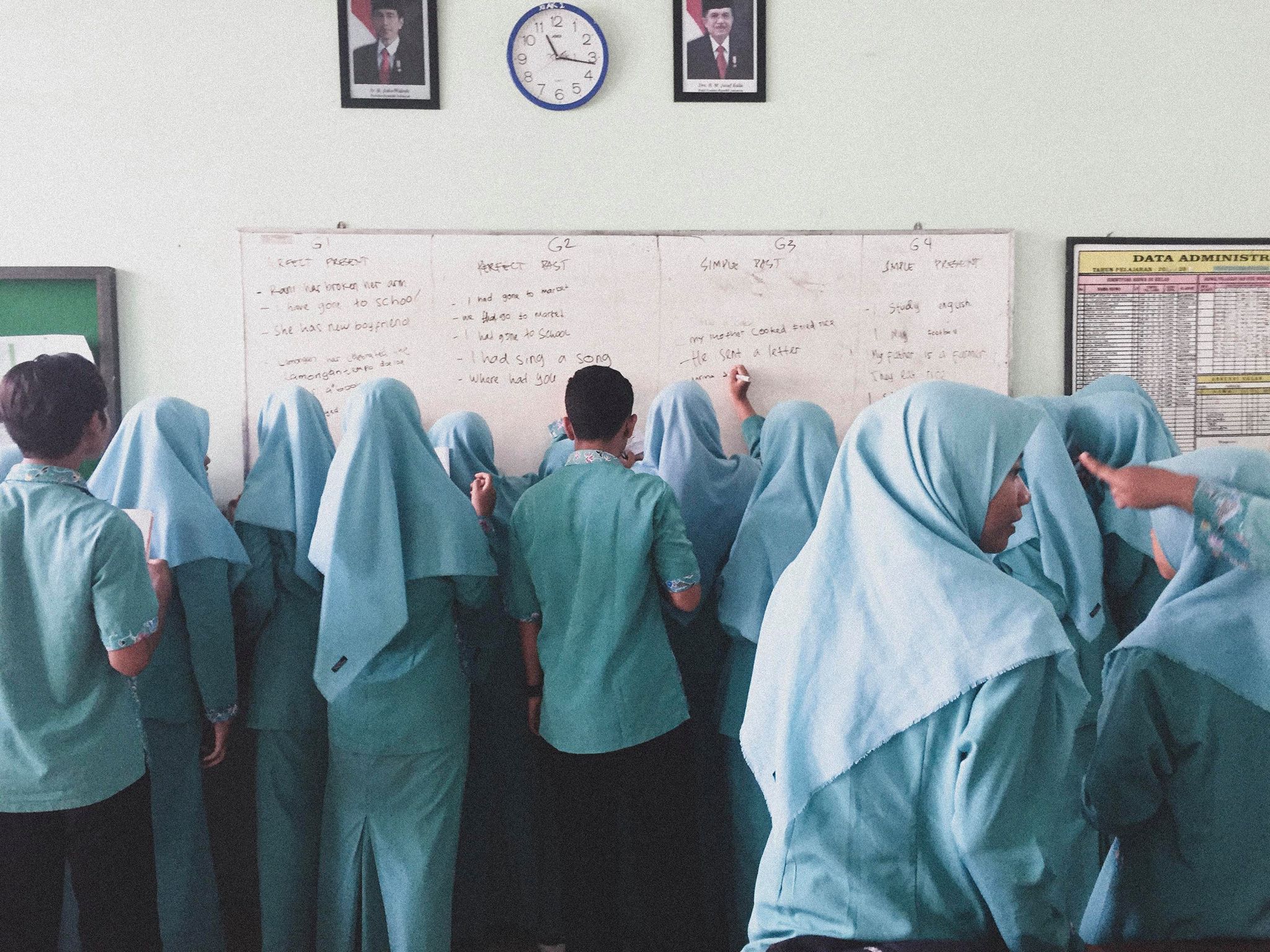
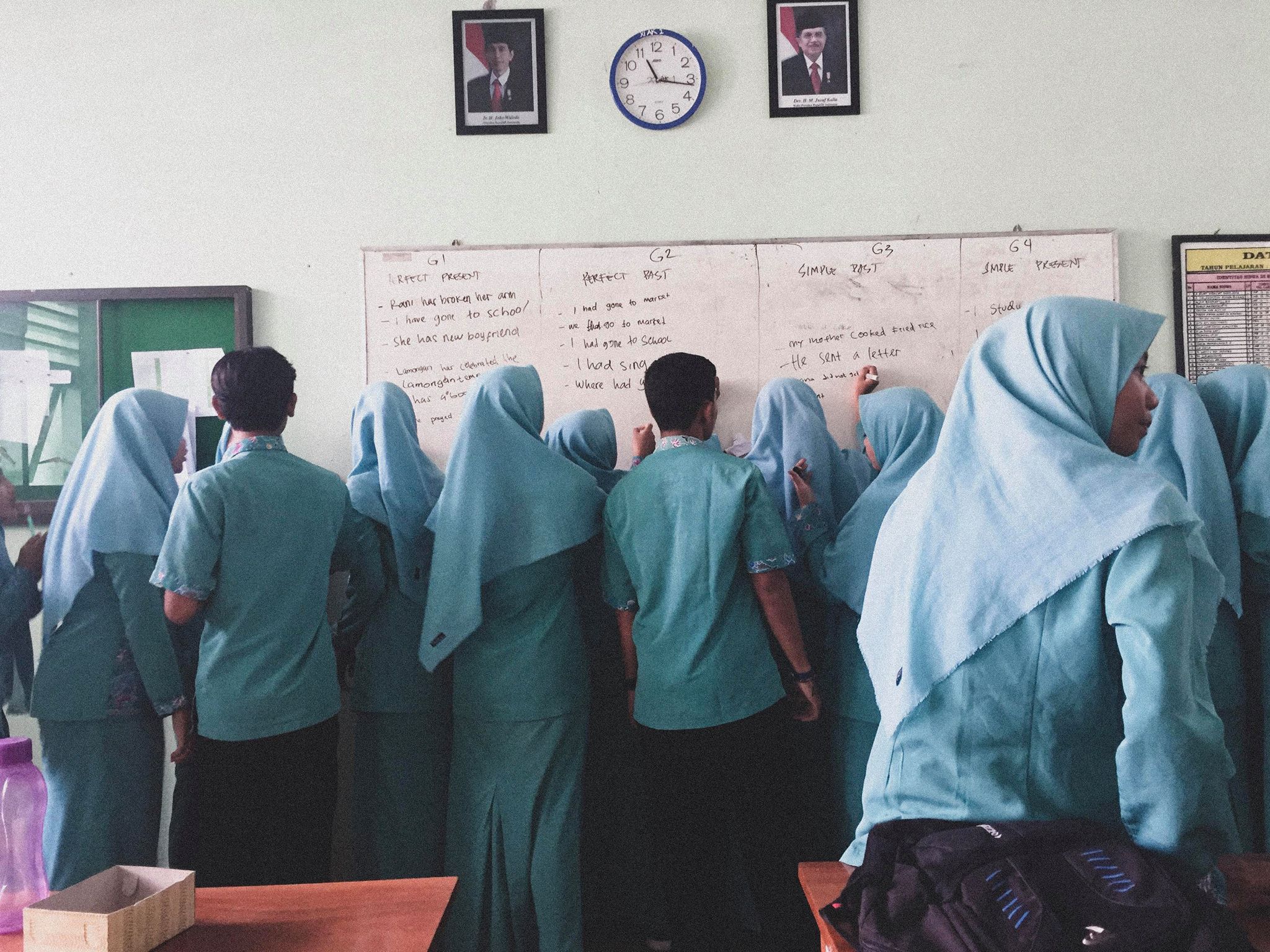
I divided the class into four groups and have each of the member of the group write a sentence using the tense assigned to them.
“The first to finish will get a special prize from me,” I said. As soon as I said this, the groups seemed to have panic and started working on the board as fast as they could.
Others have finished faster but it isn’t just the time that we have to consider like I told them. We also have to count the number of correct sentences. Most of them have the right answers and almost everyone finished at about the same time.
So this leads me to announce that all of them will get the special prize. The students are shouting for happiness and I realized I felt happy too. Reinforcing them and recognizing their good works are something they deserve and it made them want to learn English more and just enjoy the process of learning grammar.
I promised them I will bring them the prize the following day.





 V-ON THE GO